grains · salad · vegetarian

Faro Salad

I like faro because it has a lot of protein and a nutty flavor. If you cook it al dente, it has almost the same chewy texture as pasta. You could sub in another grain, but just aim for a yield of four cups of cooked grain. If you want a greener salad, add more kale (like I did, as seen below).
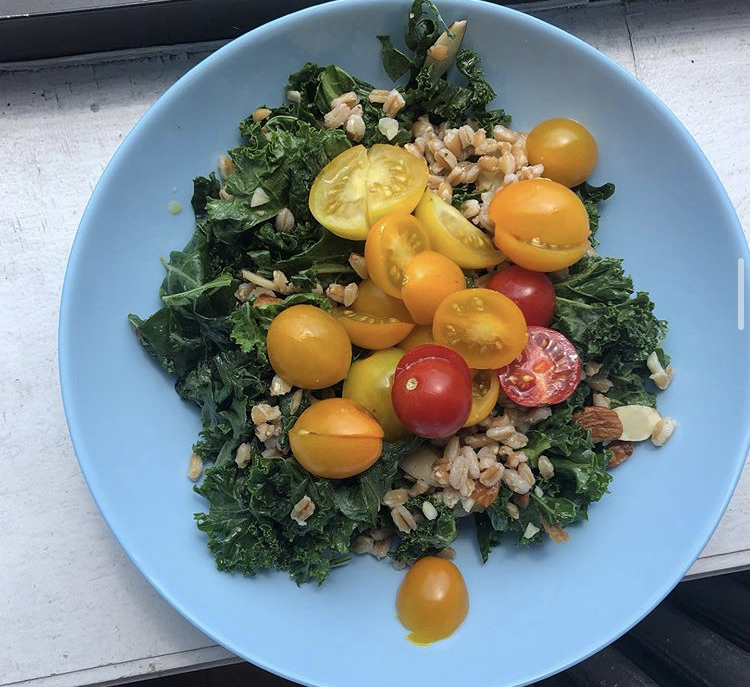
Faro Salad (Serves 4-6)

Ingredients:

  • 2 cups dry faro
  • 1 bunch kale
  • 3 cloves garlic
  • 1 shallot
  • 1 small fennel bulb and fronds
  • ¼ cup sliced almonds
  • Olive oil
  • 1 tsp oregano
  • 1 tsp crushed red pepper 
  • 1 pint cherry tomatoes
  • Sherry vinegar
  • Honey
  • Salt

Put the faro in a medium pot and add water. Salt the water heavily. Bring to a boil, and simmer uncovered until the faro is done (about 20 minutes for mine). Drain when done. 

While the faro cooks, mince the garlic and set aside. Temove the kale from the stems and roughly chop into smaller-than-bite-size pieces. (Did I need all those hyphens? The world may never know, but my mom will certainly tell me.) Thinly slice the shallot and fennel bulb. Take the fronds off one fennel stalk (I’m making up terms here I think, but you get the idea) and roughly chop. Add the fennel (fronds and bulb), shallot, and kale to a large salad or mixing bowl. 

Toast the almonds in 3-4 tbsp olive oil over medium high heat in a small skillet. When everything is sizzling, add in the oregano and crushed red pepper. Once the almonds are nice and toasty remove from the heat. 

When the faro has finished cooking, and after you’ve drained it, return it to the pan and toss it with the minced garlic. Allow this to cool for five minutes, then dump the faro in with the kale mix and toss. Drizzle with the almond herb olive oil. Sprinkle about 3 tbsp of sherry vinegar and squeeze about 2 tbsp of honey over the salad. Mix well, and adjust the vinegar, honey, and salt levels to taste. Set this aside to cool and for the flavors to absorb for 45 minutes or so.

Once you and your salad have chilled out a bit, halve the tomatoes and mix them in as well. Serve immediately. 
fruit · salsa · vegetarian

Pineapple Salsa

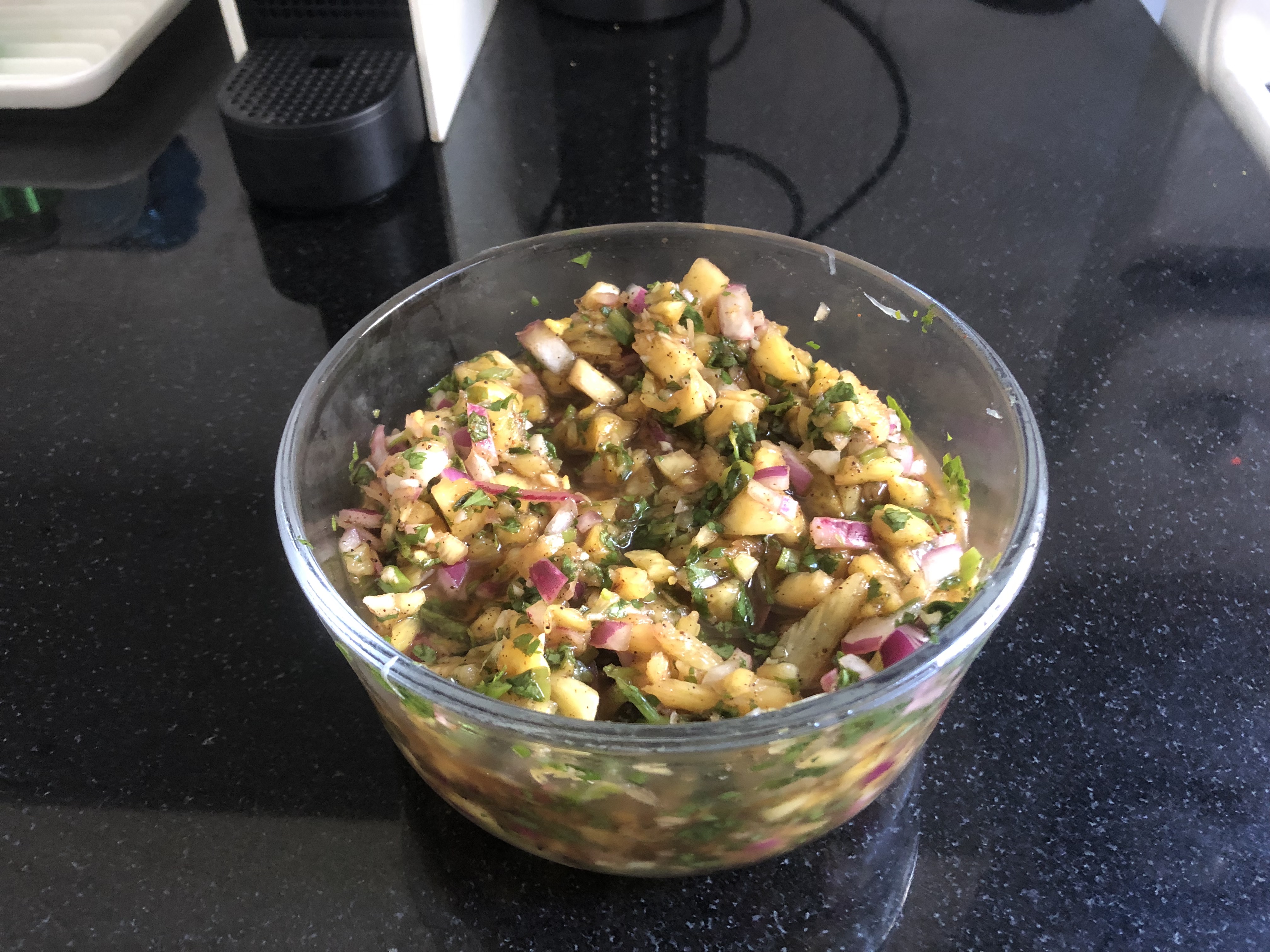
Pineapple salsa

My favorite fruit, by far, is pineapple. I buy pineapples at the grocery store by my house, chop them up, and eat them like candy. Plain, grilled, in drinks, in cakes, in salads, you name it. I’m surprised I haven’t tried to make pineapple soup. I made this salsa a couple of months ago to take to a friends house to go with nachos. We ate it on her roof and I stand by that it is the most delicious refreshing thing in the world at the end of a hot disgusting New York City day. I can eat it with a spoon. I have eaten this with a spoon. I will continue to. I am actually eating it with a spoon right now. I’m realizing I basically treat this like pineapple soup. If you’re not into spoons, Tortilla chips also work.

Pineapple Salsa. Makes 3-4 cups.

Ingredients: 

  • One small pineapple 
  • Half a bunch of cilantro, chopped small with stems
  • 1 fresh green chili or other hot pepper, diced small; I used an Anaheim chili but jalapenos also work if you want to raise the heat level
  • 1 small red onion, diced small
  • 4 cloves of garlic, minced
  • 1 tbsp chili powder
  • 1/4 tsp ancho chili powder
  • 3 tbsp lime juice (I had a juicy lime and one was enough)
  • 1/2 tsp salt plus more to taste

Chop your pineapple finely, till the pieces are about the size of beans. Measure out a heaping two cups, with juices, and add to a medium mixing bowl. (You might have extra pineapple; set this aside for whatever.)

Add the cilantro, green chili pepper, onion, garlic, chili powder, ancho chili powder, salt, and lime to the chopped pineapple. Mix thoroughly. Add more salt to taste. Refrigerate for at least 2 hours so the flavors have some time to mix and mingle. Before this they’ll be a little shy and not their regular pineapple salsa selves.

Serve with chips, on tacos, with nachos, or just eat it from the bowl with a spoon like me.

pasta · vegetarian

Green Pasta with Brown Butter, Zucchini, and Peas

If this were Italy, we would probably finish our pesto pasta with a drizzle of olive oil and an extra grate of cheese. But this is not Italy—it is the internet of all places, in 2019 (2018 part 2), and so there is only one way to finish a pasta dish. Three tablespoons of brown butter. 

I know I know. Green pasta? With butter???????? Are you kidding me Emma???

No I am not. There are very few things that I actually know about cooking. One is that butter is usually a good addition to a pasta sauce. (Think Marcella Hazan’s three ingredient tomato sauce).

Another thing is that salt is basically as magical as fairy dust, if not more. This magic is extra evident when it comes to sucking the liquid out of vegetables. Which is how you can avoid a watery zucchini situation with this recipe by salting the zucchini and then wringing it out.

I used to add only a pinch to my pasta water, until my friend Caroline was making pasta once and told me that the pasta water should have the same salinity as the sea. 

I don’t know if that’s true but it sounded right. 

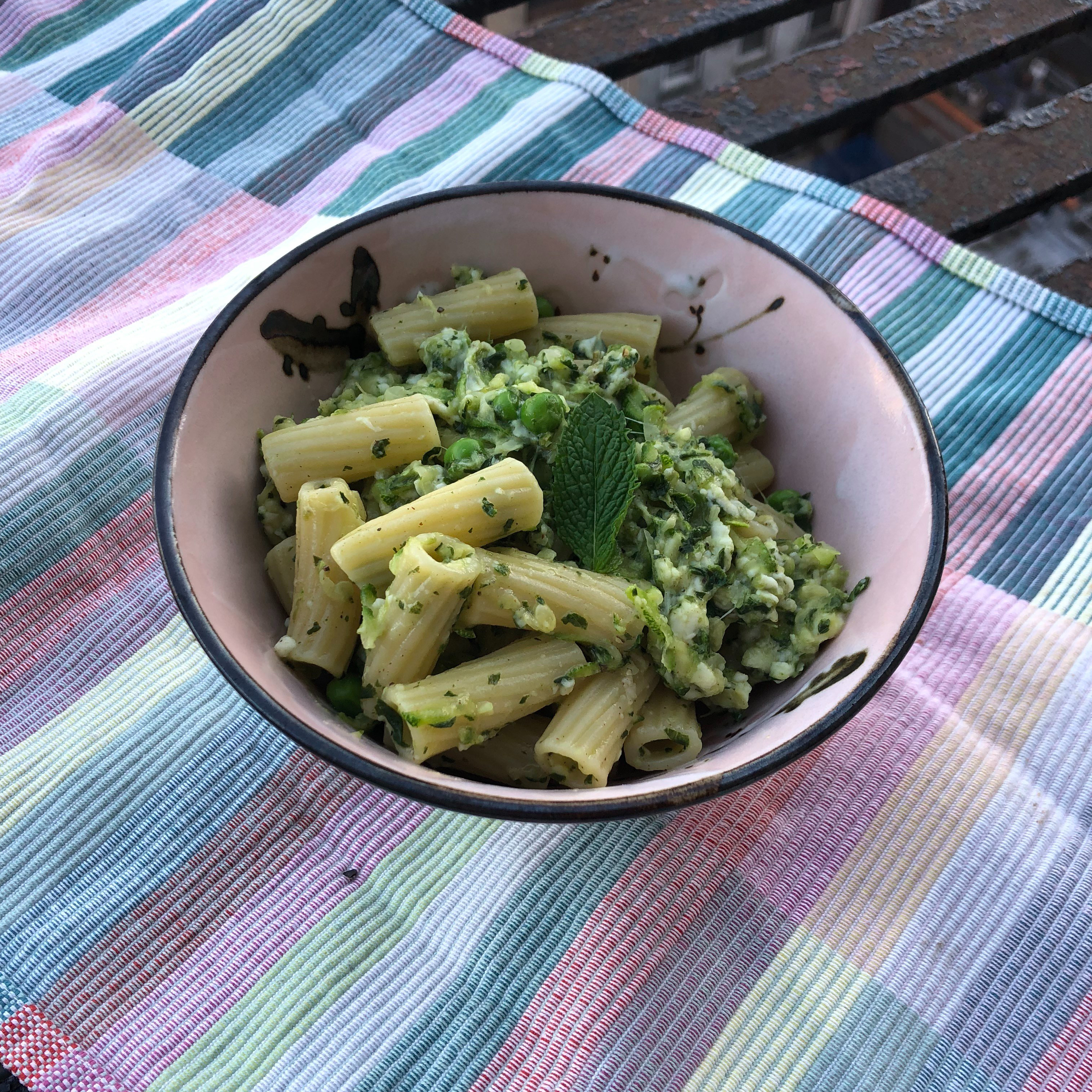
This pasta is everything I love about a pesto pasta, plus cheese, plus mint, plus refreshing peas and zucchini. You forget the zucchini is there, until it says ohhhh helloooooo there cutie pie and reminds you. The mozzarella melts just enough but not too much. You can use half the amount of pasta if you want the vegetables to be heavier, or the full amount if you want them to really just serve as an accompaniment. I’ll eat it both ways—any way—any time of day, any day of the week. No nuts in case that’s an issue. You could add them, but I think with the crunch of the zucchini, you don’t need it. Eat hot or cold. 

Green Pasta with Brown Butter, Zucchini, and Peas. Serves 4 (at least).

  • 16 oz pasta, depending on what kind of ratio you are going for. I use rigatoni. Cheese tortellini is good too.
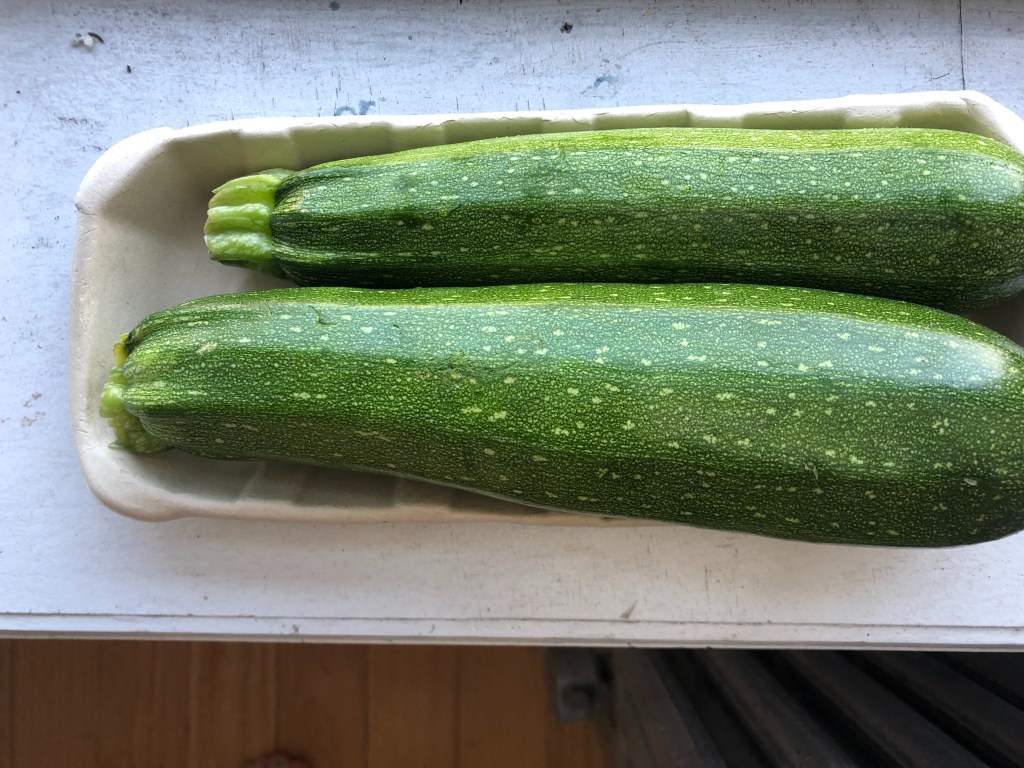
  • 1 large zucchini
  • 8 oz mozzarella shredded
  • 1 cup frozen peas
  • 3 tbsp butter

For the pesto:

  • 1 cup of packed basil
  • 3-4 sprigs of fresh mint
  • 4 garlic cloves
  • Juice and zest of one small lemon
  • 1 tbsp cold water
  • ¼ cup olive oil
  • ¼ cup parmesean 
  • Pinch of salt
  • Black pepper

Grate your zucchini on the large holed side of a box grater, into a bowl with a thin dish towel or cheese cloth draped over it. Sprinkle salt over the zucchini, and let sit while you make the pesto and bring the pasta water to a boil.

Boil a pot of water. Add a lot of salt. Same salinity as the sea. Which sea? Take your pick.

While the zucchini rests, make your pesto. I do this by blending the herbs, garlic, salt, pepper, lemon juice and zest, and a tablespoon of cold water in a glass measuring cup with my immersion blender. Slowly pour in the olive oil until it comes together. Finish with mixing in the cheese. You can use whatever blending mechanism you have.

When your water is boiling, add your pasta, generously salting the water, and set a timer; when five minutes is left, add your peas. 

While the pasta cooks, squeeze as much water out of the zucchini as you can. I do this by gathering the cloth together, with the zucchini in a ball at one end, and wringing out the liquid. Put in a medium bowl, and mix with the shredded mozzarella. 

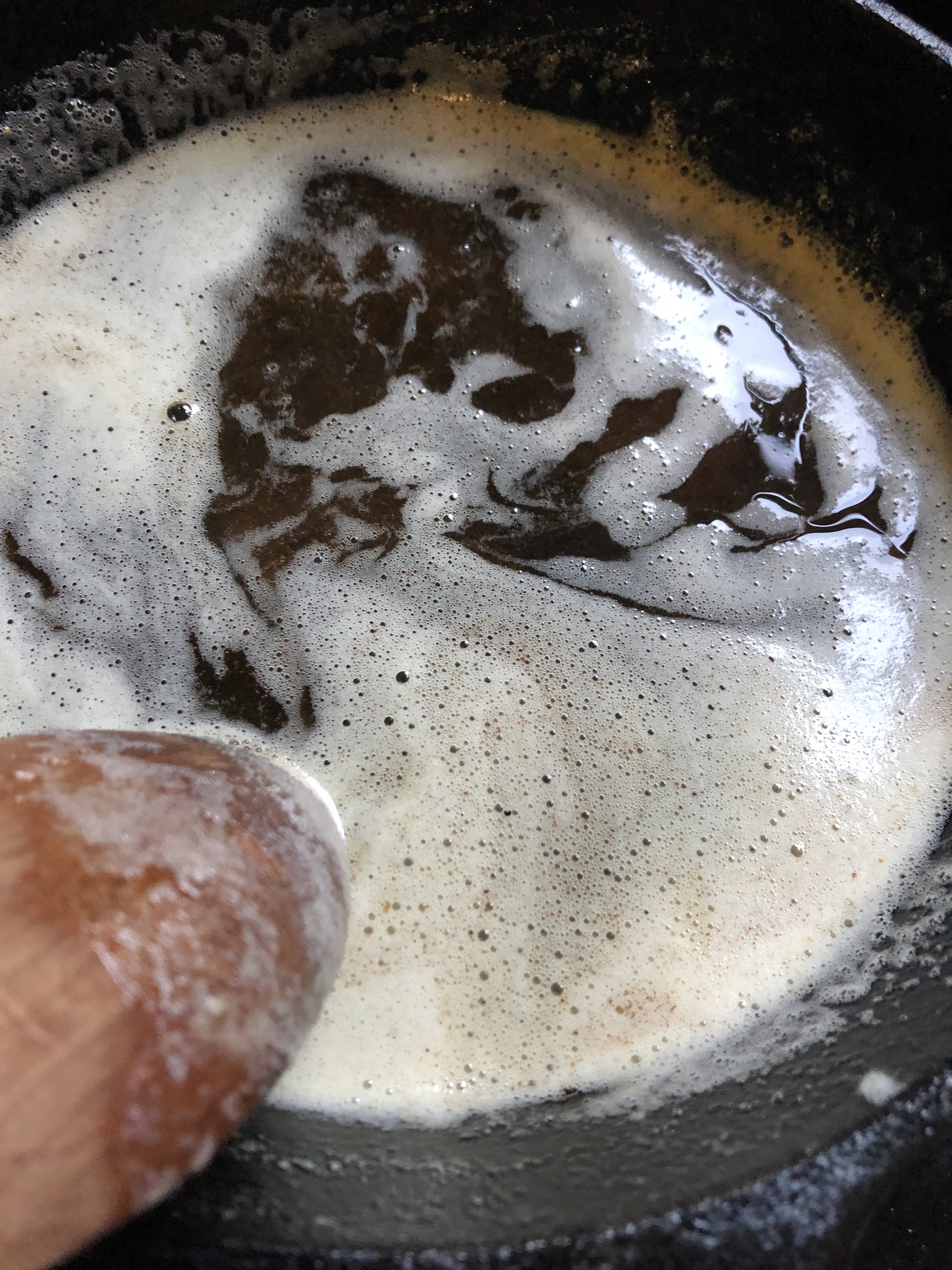
Brown the butter in a small skillet, and set aside. 

When the pasta and peas are cooked to al dente, drain them, reserving 1 cup of water. Pour half of the brown butter into the pot, and return the pasta and peas, adding the pesto, along with the zucchini mozzarella blend, in two parts. Stir. If it seems too dry, add the cooking water you set aside, a tablespoon at a time. Finish with the rest of the brown butter. 

Serve immediately, with whatever spare leaf you may have on hand, a grind of black pepper, and extra pecorino for garnish.